
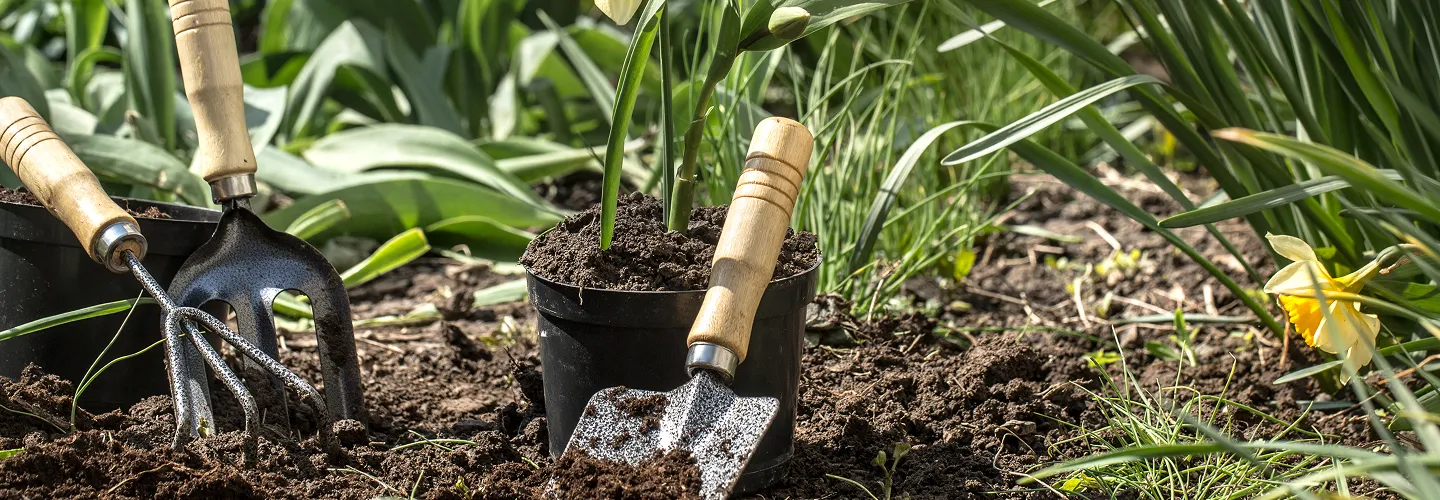
Schaumburg Fertilizing Lawn Services
Choose our expert fertilizing lawn services for lush, healthy grass that stands out in your neighborhood—our tailored treatments ensure your lawn gets the nutrients it needs for vibrant growth and year-round resilience.
Get a Free QuoteOur Schaumburg Landscaping & Yard Care Services
When to Schedule Fertilizing Lawn in Schaumburg, IL – Seasonal Guide
Fertilizing your lawn in Schaumburg, IL, requires careful timing to ensure lush, healthy grass throughout the growing season. The best periods for fertilization are typically early spring and early fall, when soil temperatures are optimal and grass roots are most active. Schaumburg’s climate, with its cold winters and humid summers, means that lawns in neighborhoods like Weathersfield and near the Schaumburg Golf Club benefit from a tailored approach that considers local frost dates and the risk of late spring or early fall droughts.
Local environmental factors such as the region’s clay-heavy soils, variable shade coverage from mature trees in areas like Bock Park, and periodic heavy rainfall can all influence the effectiveness of fertilization. It’s also important to be aware of any municipal guidelines or restrictions, which can be found on the Village of Schaumburg Official Website, to ensure your lawn care practices are both effective and compliant.
Local Factors to Consider for Fertilizing Lawn in Schaumburg
- Tree density and shade coverage, especially in established neighborhoods
- Soil composition, with many areas featuring clay or compacted soils
- Average precipitation and risk of drought during late summer
- Frost dates, which can impact spring and fall application windows
- Terrain and drainage, particularly near parks and water features
- Municipal restrictions or recommendations on fertilizer use
Benefits of Fertilizing Lawn in Schaumburg
Healthier, Greener Lawns
Improved Weed Resistance
Enhanced Soil Nutrients
Stronger Root Development
Increased Lawn Longevity
Expert Local Landscaping Service
Schaumburg Fertilizing Lawn Types

Cool-Season Grass Fertilization
-
Warm-Season Grass Fertilization
-
Organic Lawn Fertilization
-
Synthetic Fertilizer Application
-
Slow-Release Fertilizer Programs
-
Starter Fertilizer for New Lawns
-
Seasonal Fertilizer Treatments
Our Fertilizing Lawn Process
Soil Analysis
Fertilizer Selection
Application Scheduling
Even Fertilizer Distribution
Post-Application Inspection
Why Choose Schaumburg Landscape Services
-
Schaumburg Homeowners Trust Us
-
Expert Lawn Maintenance
-
Reliable Seasonal Cleanup
-
Competitive Pricing
-
Professional Team
-
Satisfaction Guarantee
-
Personalized Service
Contact Schaumburg’s Department of Public Works for Fertilizer Container Disposal & Municipal Composting Programs
Proper fertilizer container disposal in Schaumburg is managed through household hazardous waste collection events, typically held 2-4 times annually. Residents must triple-rinse liquid fertilizer containers before disposal and never place chemicals in regular trash, storm drains, or on streets to protect the Lake Michigan watershed. Plastic fertilizer bags may be accepted in municipal recycling (check local guidelines), while biodegradable paper bags from organic fertilizers should go with yard waste (April-November). Bulk materials require coordination with the yard waste drop-off site or Transfer Station, with resident permits and commercial contractor fees applying. Schaumburg’s finished compost program offers a sustainable alternative (1-1-1 to 2-2-2 N-P-K), improving heavy clay soil structure and supporting municipal sustainability goals. Emergency fertilizer spills must be contained with absorbent materials, reported to emergency services, and cleaned up to prevent storm drain contamination, with all actions documented for Illinois EPA compliance.
Schaumburg Engineering and Public Works Department
101 Schaumburg Court, Schaumburg, IL 60193
Phone: (847) 895-7100
Official Website: Schaumburg Engineering and Public Works Department
Professional Soil Testing & Nutrient Assessment Requirements for Schaumburg’s Heavy Clay Soils
All fertilizer programs in Schaumburg should begin with mandatory soil testing through the University of Illinois Extension or a certified laboratory. Tests must include pH (typically alkaline 7.0-8.5 in Drummer silty clay loam soils, requiring sulfur to lower to the optimal 6.0-7.0), nitrogen (annual testing recommended), phosphorus (often adequate or high due to clay retention), potassium, organic matter (target 3-5%), and micronutrients (iron deficiency is common, causing chlorosis). The USDA Web Soil Survey confirms heavy clay conditions, affecting nutrient retention and drainage. Written nutrient management plans should address site-specific factors such as shade (25-30% less nitrogen in mature tree areas), traffic, compaction (core aeration often needed), and plant health, with professional soil scientists consulted for complex sites.
Illinois Fertilizer Regulations & Professional Licensing Requirements for Schaumburg
Fertilizer use in Schaumburg is governed by the Illinois Fertilizer Act (505 ILCS 80), with many Chicago suburbs enacting local phosphorus bans except for new lawns or documented deficiencies below 30 ppm. Nitrogen applications should not exceed 0.9-1.0 lbs per 1,000 sq ft per application, with a maximum of 3-4 lbs annually for Kentucky bluegrass. Commercial applicators must be licensed through the Illinois Department of Agriculture - Pesticide Regulations if combining fertilizer with weed control, and must maintain at least $1 million in liability insurance. Detailed application records, business registration with Schaumburg, and compliance with local ordinances are required.
Schaumburg Environmental Commission Requirements for Fertilizer Application Near Wetlands & Protected Areas
Coordination with the Environmental Commission or Sustainability Board is required for fertilizer applications near wetlands, streams, or protected areas. Buffer zones of 10-25 feet (no-fertilizer strips) must be maintained adjacent to water bodies to protect the Lake Michigan watershed from nutrient runoff. Organic-only fertilizers may be required near forest preserve lands such as the Cook County Forest Preserve District or DuPage County Forest Preserve District. Habitat protection protocols include avoiding fertilizer applications during peak pollinator flowering periods (May-September) and using deflector shields to prevent off-target application.
Schaumburg Environmental Health Division
101 Schaumburg Court, Schaumburg, IL 60193
Phone: (847) 895-4500
Official Website: Schaumburg Environmental Health Division
Seasonal Fertilization Calendar & Weather Timing for Schaumburg’s Climate Zone 5a-6a
Schaumburg’s cool-season lawns require climate-specific fertilization. Early spring (April-May, soil 50-55°F): apply 0.5-0.7 lbs N/1,000 sq ft when grass resumes growth. Late spring (optional, 0.5 lbs N/1,000 sq ft) is only for color/growth needs. Summer (July-August): avoid fertilization during heat/drought stress. Primary fall (September, Labor Day): apply 0.9-1.0 lbs N/1,000 sq ft for root development. Late fall (October-November): 0.7-0.9 lbs N/1,000 sq ft before freeze. Always coordinate with National Weather Service Chicago forecasts, ensuring 24-48 hour rain-free periods and avoiding saturated clay soils.
Water Quality Protection & Stormwater Management for Lake Michigan Watershed in Compliance with Schaumburg’s MS4 Program
Schaumburg’s MS4 permit under the Clean Water Act requires best management practices (BMPs) to prevent nutrient runoff into storm drains leading to Lake Michigan. Key protocols include:
- Immediate sweeping of fertilizer from impervious surfaces (never hosing into drains)
- Maintaining 10-25 foot buffer strips from water bodies and storm inlets
- Annual equipment calibration for uniform application
- Soil-test-based applications to reduce excess nutrients
- Documentation of application rates, weather, and site conditions Long-term benefits include improved soil health, reduced nutrient loading, and compliance with Illinois EPA Water Quality & Watershed Management and TMDL requirements.
Professional Application Standards, Equipment Calibration & Safety Protocols
Professional fertilizer application in Schaumburg requires:
- Illinois commercial applicator licensing (when combined with pesticides)
- Annual equipment calibration (catch pan method, spreader settings for product density)
- Uniform distribution (overlapping passes, edge guards near sensitive areas)
- Personal protective equipment (safety glasses, dust masks, chemical-resistant gloves)
- Pre-application soil test verification (within 3 years)
- Post-application monitoring (grass color, density, runoff checks)
- Customer education on irrigation and mowing Ongoing training and quality control are essential for environmental compliance and public safety.
Integrated Nutrient Management & Organic Fertilizer Options for Heavy Clay Soils
Schaumburg’s heavy clay soils benefit from a comprehensive nutrient management hierarchy:
- Mowing at 3-4 inches for deeper roots and reduced fertilizer needs
- Grasscycling (mulch-mowing) returns 25% of annual nitrogen
- Core aeration (spring/fall) relieves compaction and improves nutrient uptake
- Overseeding with nutrient-efficient grass varieties Sustainable fertilizer options include slow-release nitrogen (minimum 50% slow-release), organic fertilizers (compost, feather meal, alfalfa meal), acidifying fertilizers (ammonium sulfate, sulfur-coated urea), and iron supplementation for chlorosis. Annual compost topdressing and sulfur applications optimize pH and organic matter, reducing synthetic input needs over time.
Schaumburg Community Development Guidelines for Fertilizer Application & Public Safety Protection
The Community Development Department oversees public notification and safety for fertilizer applications. Requirements include:
- Notification signs for commercial applications (24-48 hours post-application)
- Re-entry intervals (24-48 hours for granular, until dry for liquid)
- Setbacks from wells (50-100 feet), playgrounds, and sensitive sites
- Proper storage (locked, dry, ventilated, original containers)
- Emergency procedures for exposure (Poison Control 1-800-222-1222, 911 for emergencies)
- Community education through University of Illinois Extension workshops
Schaumburg Community Development Department
101 Schaumburg Court, Schaumburg, IL 60193
Phone: (847) 923-4420
Official Website: Schaumburg Community Development Department
What Neighborhoods Do We Serve Throughout Schaumburg, IL?
Schaumburg’s neighborhoods each present unique fertilization challenges:
- Weathersfield: Mature landscapes, severe clay compaction, alkaline pH (7.0-8.5), Kentucky bluegrass dominant, high aesthetic standards, irrigation common, HOA requirements
- Olde Schaumburg Centre: Historic soils, poor drainage, proximity to wetlands, buffer zones required, fine fescue in shaded areas, organic preferences increasing
- Spring Valley: Adjacent to Cook County Forest Preserve District, strict buffer zones, organic-only near preserves, perennial ryegrass in newer lawns
- Park St. Area: High-traffic, compacted clay, municipal water supply protection, enhanced phosphorus restrictions, irrigation system prevalence
- Meribel: Newer development, disturbed clay subsoil, thin topsoil, establishment fertilization, core aeration critical, HOA mandates
- Kingsport Estates: Proximity to detention basins, runoff prevention priority, Kentucky bluegrass and tall fescue mix, moderate compaction
- Sheffield Manor: Tree competition, shade, fine fescue, reduced nitrogen needs, manual watering Each area requires tailored nutrient management, environmental compliance, and community coordination.
Schaumburg Municipal Ordinances for Fertilizer Application Equipment Operation & Commercial Service Standards
Schaumburg’s municipal ordinances regulate fertilizer application equipment and commercial service standards:
- Equipment operation hours: 7 AM-9 PM weekdays, 8 AM-9 PM Saturdays (verify Sunday restrictions)
- Commercial licensing and business registration required
- Minimum $1 million liability insurance, environmental impairment coverage, workers’ compensation
- Safety protocols: PPE, emergency procedures, spill response
- Environmental compliance: buffer zones, phosphorus restrictions, documentation Coordination with local ordinances ensures public safety, environmental protection, and professional accountability for all fertilizer applications in Schaumburg.